
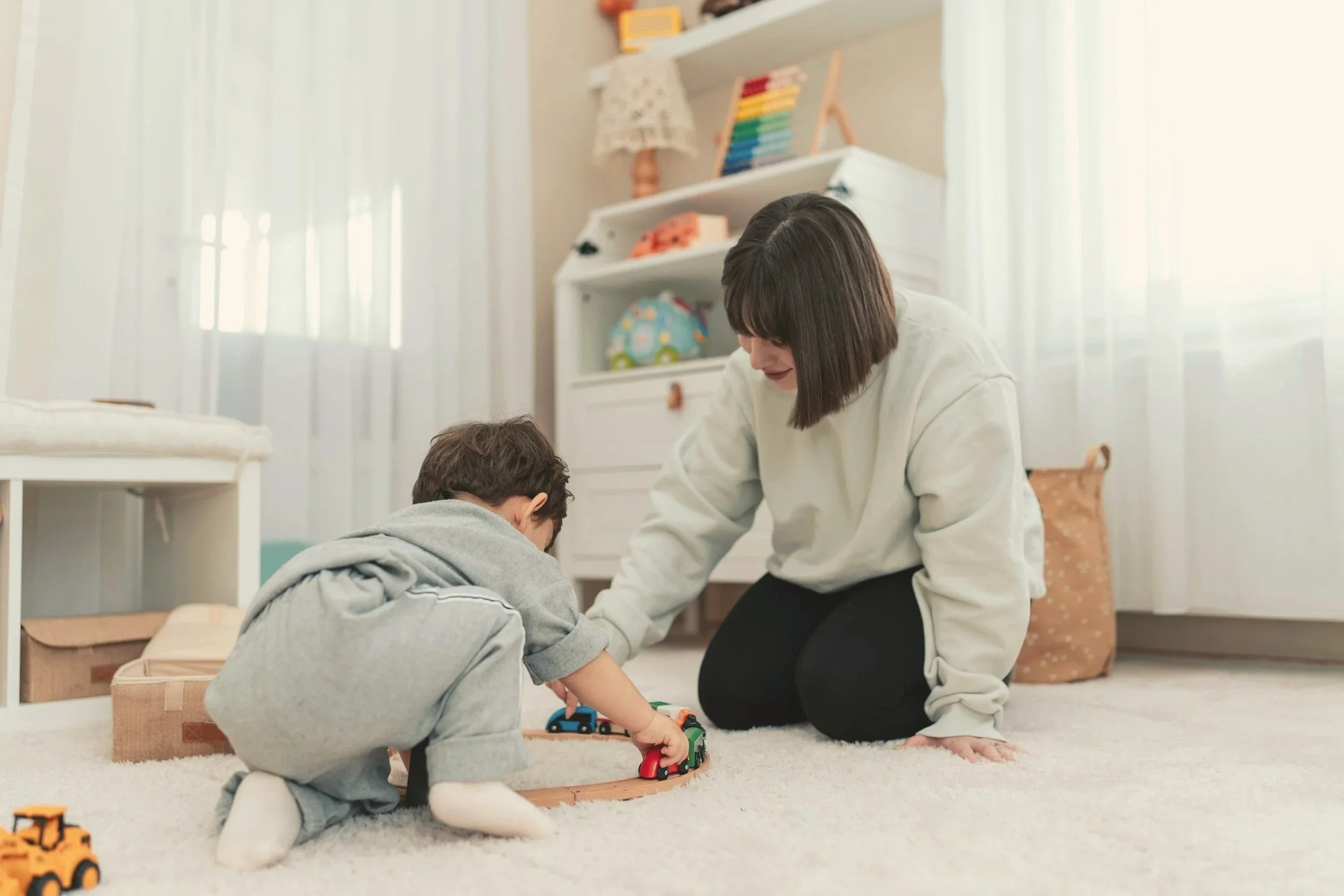
therapy for children ages 4-11
Therapy for Children & Littles
I help young children understand big feelings, build confidence, and develop the skills they need to thrive.

Young children don't always have the words to tell us what's wrong… but their behavior often tells the story.
Therapy for kids uses play, connection, and age-appropriate activities to help them understand their emotions, build coping skills, and feel more confident navigating the world around them.
Sometimes it can be hard to tell whether your child's behavior is simply a part of growing up, or a sign that they need additional support.
When big feelings start taking over, you may notice…
Frequent meltdowns or tantrums
Irritability or anger
Separation anxiety
Excessive fear or worries
Difficulty during transitions
School anxiety or refusal
Trouble making or keeping friends
Perfectionism or fear of making mistakes
Difficulty calming down
Big reactions to seemingly small things
Repetitive behaviors or thoughts
Trouble sleeping independently
Headaches, stomachaches or other somatic complaints with no medical cause
Behavior or mood changes after a stressful experience
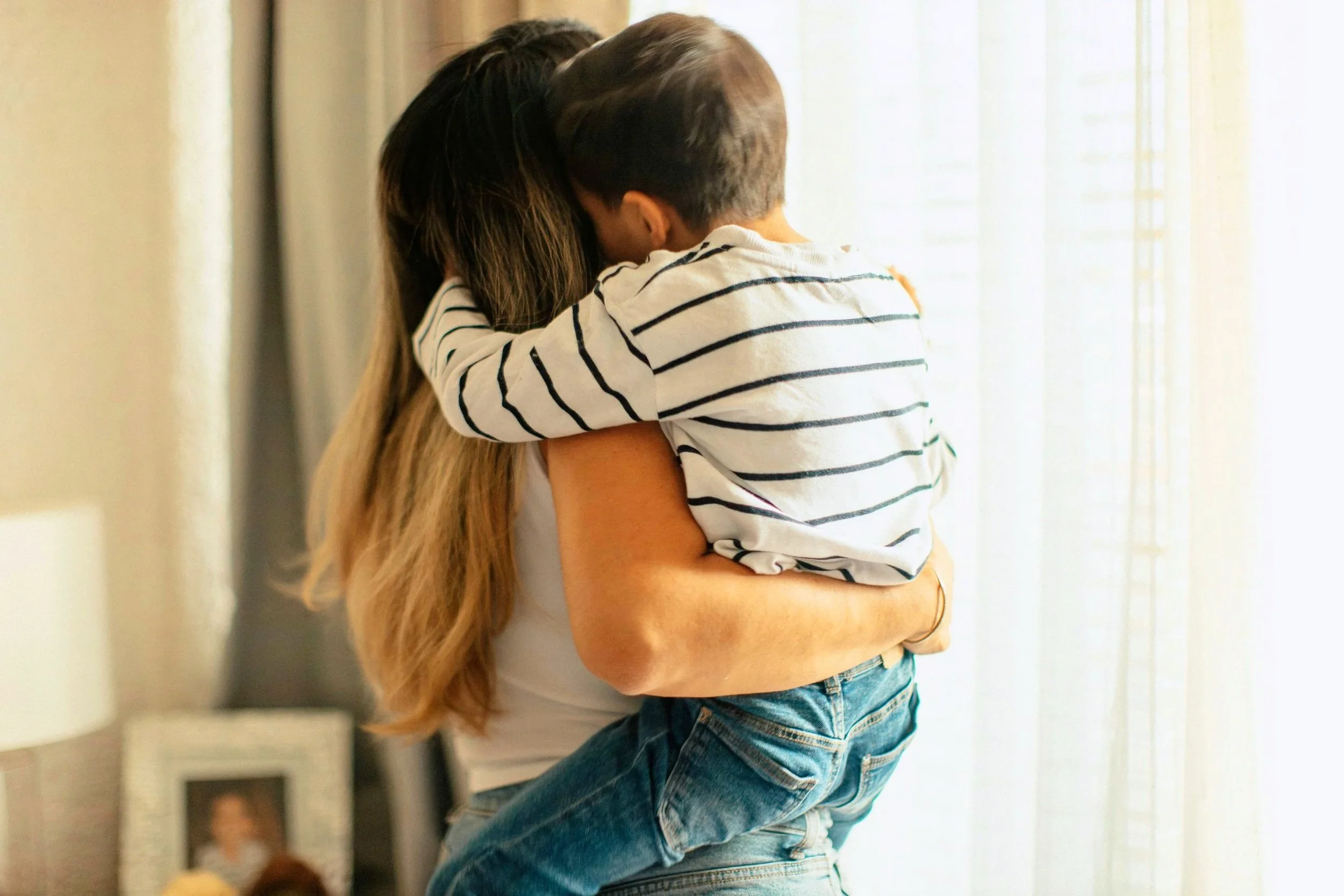
I’m here to help you understand what's underneath these behaviors and give both you and your child tools to navigate it together.
How Therapy Looks Different For Littles
Kids don’t need to sit on a couch and talk!
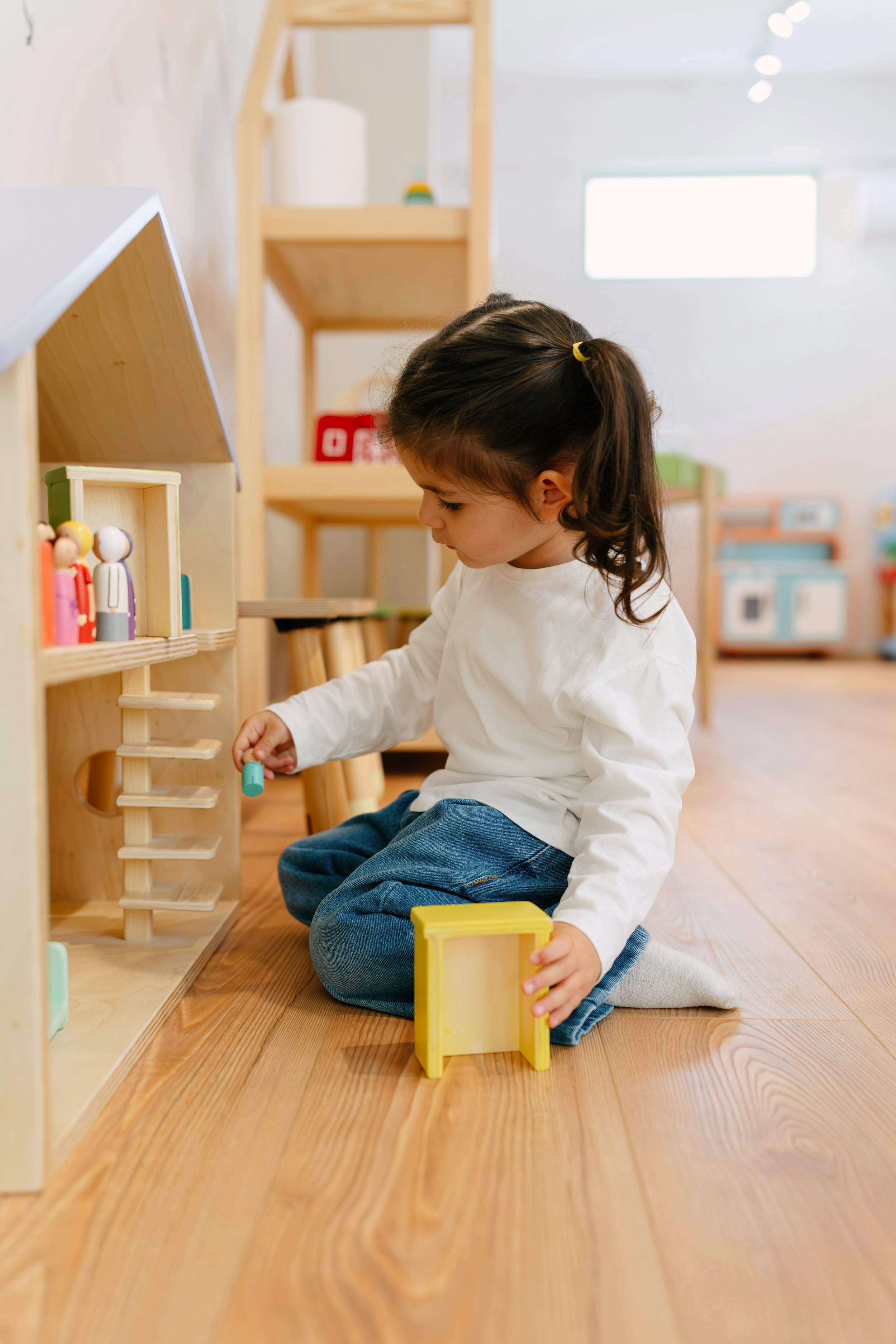
Young children learn by doing.
Through engagement in therapy, littles can learn to:
Identify and name emotions
Notice and understand what's happening in their bodies
Practice calming and coping strategies
Face fears gradually
Build frustration tolerance
Develop flexibility
Communicate their needs
Build confidence

As the parent or caregiver, you’ll learn how to:
Respond to big emotions
Reduce reassurance-seeking
Support anxiety without reinforcing it
Set effective boundaries
Reinforce coping skills
Respond to avoidance
Create consistency at home
Manage your own affect as a parent

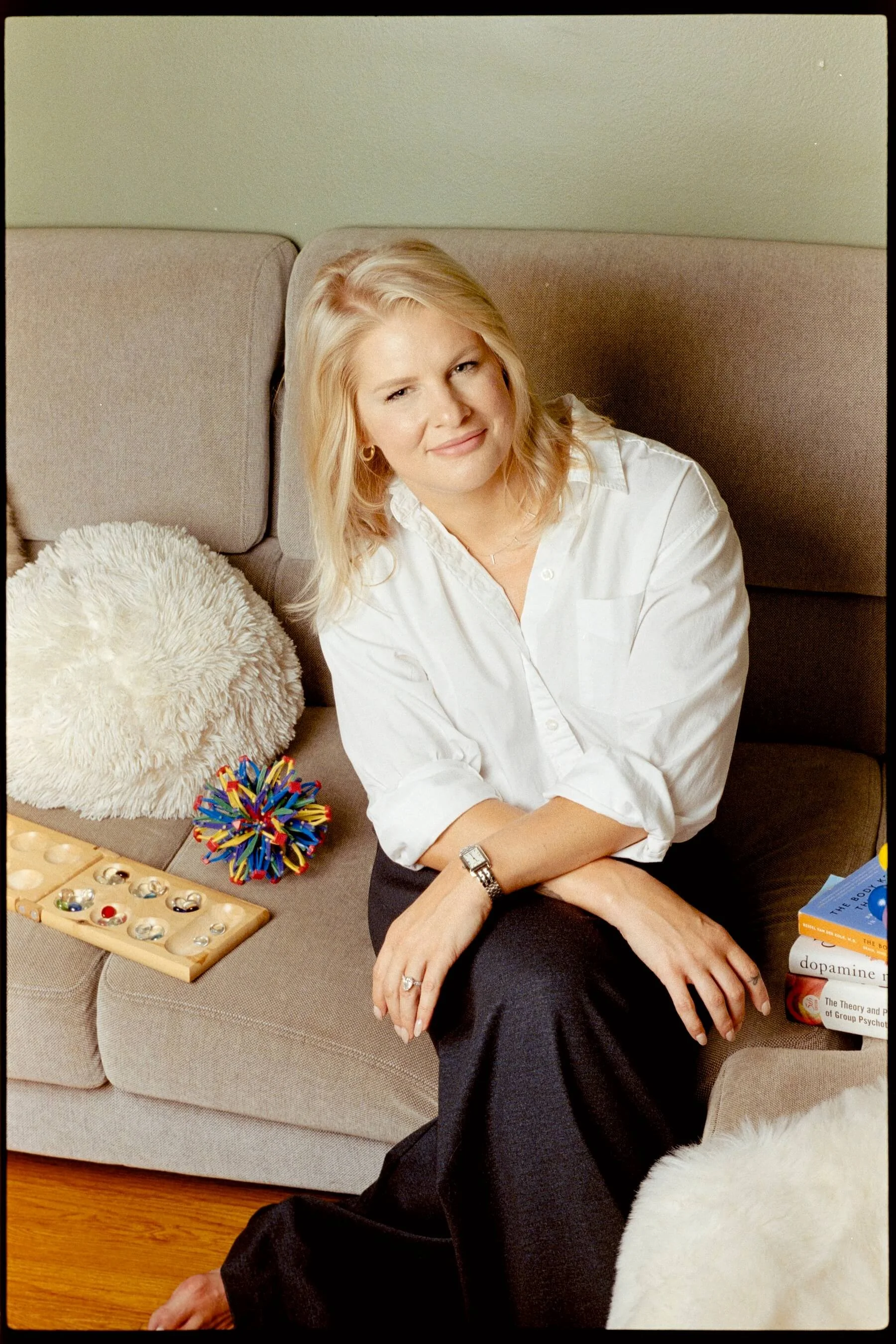
What does therapy for littles look like?
First, I get curious.
After the initial consultation call, I schedule a parent-only intake with you (and other parent/caregivers, as necessary). During this session, I walk you through a series of questions to learn about your child's personality, strengths, challenges, developmental history, and past and current symptom presentation. Together, we come up with a list of goals and a treatment plan tailored to your family’s unique needs.
then we build connection.
Children learn best when they feel safe, understood, and comfortable. We meet in-person and begin getting to know one another, while also incorporating helpful therapeutic tools the child can bring home on the very first day.
We make therapy active.
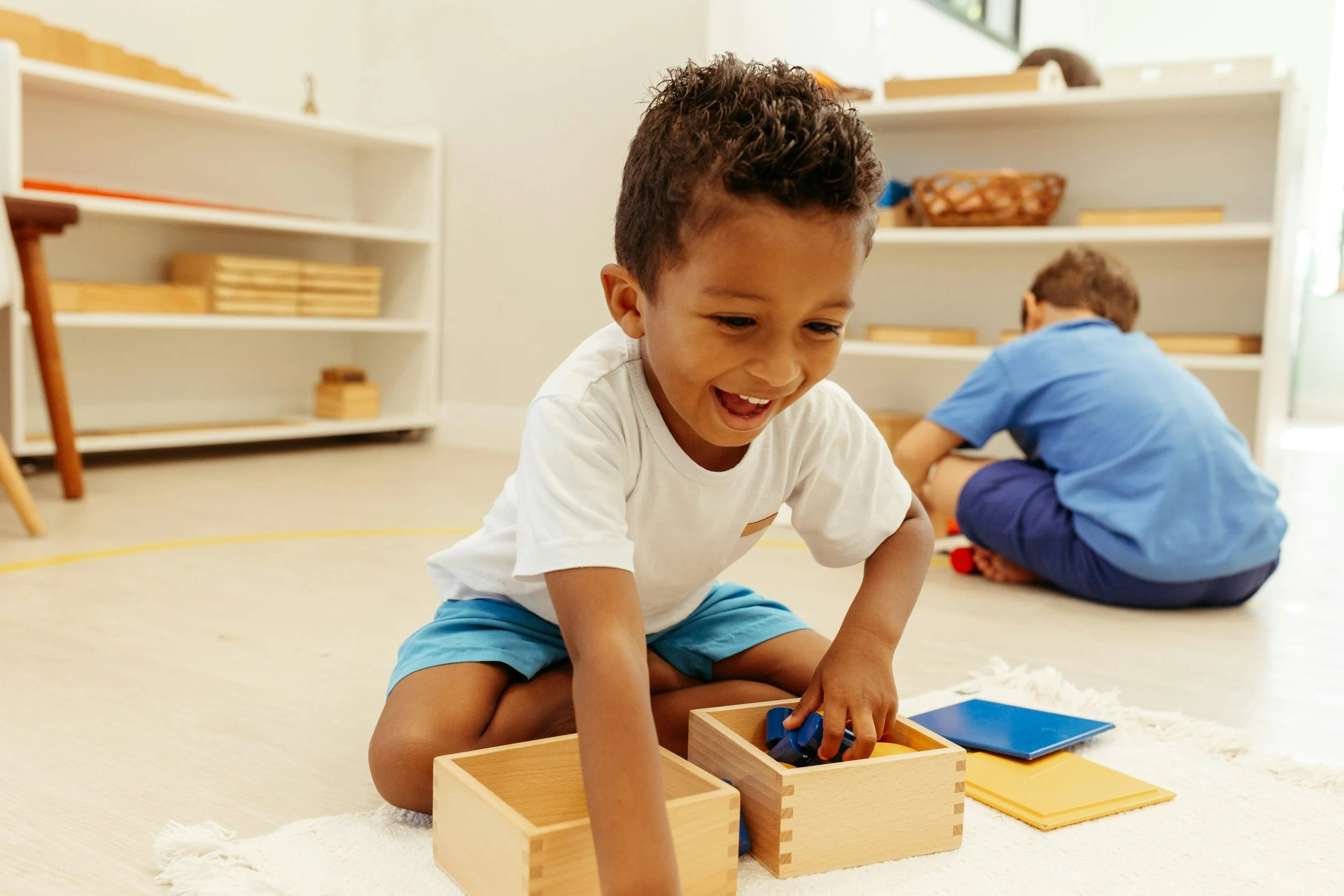
Play, games, art, movement, exposure exercises, and other hands-on activities help children practice skills in ways that make sense to them. I find that this type of learning and engagement allows the therapeutic skills to be seen as fun and more easily generalizable at home.
And then, we bring the parents in!
Caregivers are the most essential part of the treatment process! As a family, you will leave sessions with practical strategies you can use outside the therapy room. In addition, I recommend incorporating regular parent-only sessions to further support lasting change.
We can address a number of anxiety, behavioral, or transitional issues in therapy:

Anxiety Related Conditions
Generalized Anxiety
Obsessive Compulsive Disorder (OCD)
Separation Anxiety
Social Phobia / Social Anxiety
Specific Phobias
Panic Disorder
Emetophobia
Health Anxiety
Perfectionism

Behavioral Concerns
Tantrums and Meltdowns
Emotional Dysregulation
ARFID/Picky Eating
Skin Picking
Hair Pulling
Executive Functioning Difficulties (ADHD)
Opposition and Defiance
Transitional Difficulties
School Avoidance/Refusal
Bedtime Struggles
Divorce
Grief/Loss
Major Life Transitions
Trauma Related Concerns
therapy for littles
FAQs
-
I see children as young as age 4, and therapy is adapted to their developmental level.
-
Children naturally experience worries, fears and big emotions as they grow up. When worry starts to cause significant distress, prevent them from participating in life, and take over the family - it may be more than a passing phase. You don’t have to wait until your child’s anxiety becomes “severe enough” to reach out. Early intervention can help children build healthy coping skills and confidence before anxiety becomes more difficult to manage.
-
Absolutely! Many young children are hesitant to come to therapy, and are unsure about talking to a new person about difficult things. I meet children where they are using play, connection, humor and hands-on activities to build trust first. I find that meaningful change starts with a child feeling safe, understood and respected. In addition, I have specialized training in SPACE Treatment, which is an evidence-based practice that supports caregivers in creating significant symptom reduction, without even needing the child to attend a single session!
-
Yes. When appropriate, I can provide a diagnosis as part of your child’s evaluation. I look beyond a child's symptoms to understand the bigger picture (including their development, temperament, family, school, and environment) so that we can better understand their experience and determine the best plan moving forward. I am intentional about how a diagnosis is introduced, making sure it is used as a tool for understanding and treatment planning, and not as a label that defines who a child is.
-
Yes. Working directly with your child’s school can be especially helpful for school anxiety, incorporating accommodations, school refusal, and collaboration when appropriate and authorized. In addition, I find it extremely helpful for continuity of care to connect with other providers your child sees, including pediatricians, psychiatrists and occupational therapists, to name a few.
-
Then you came to the right place! At Featherstone, it is important to me that treatment addresses the family patterns that may unintentionally reinforce anxiety.