
School Refusal
and Avoidance

When School Feels Too Overwhelming…
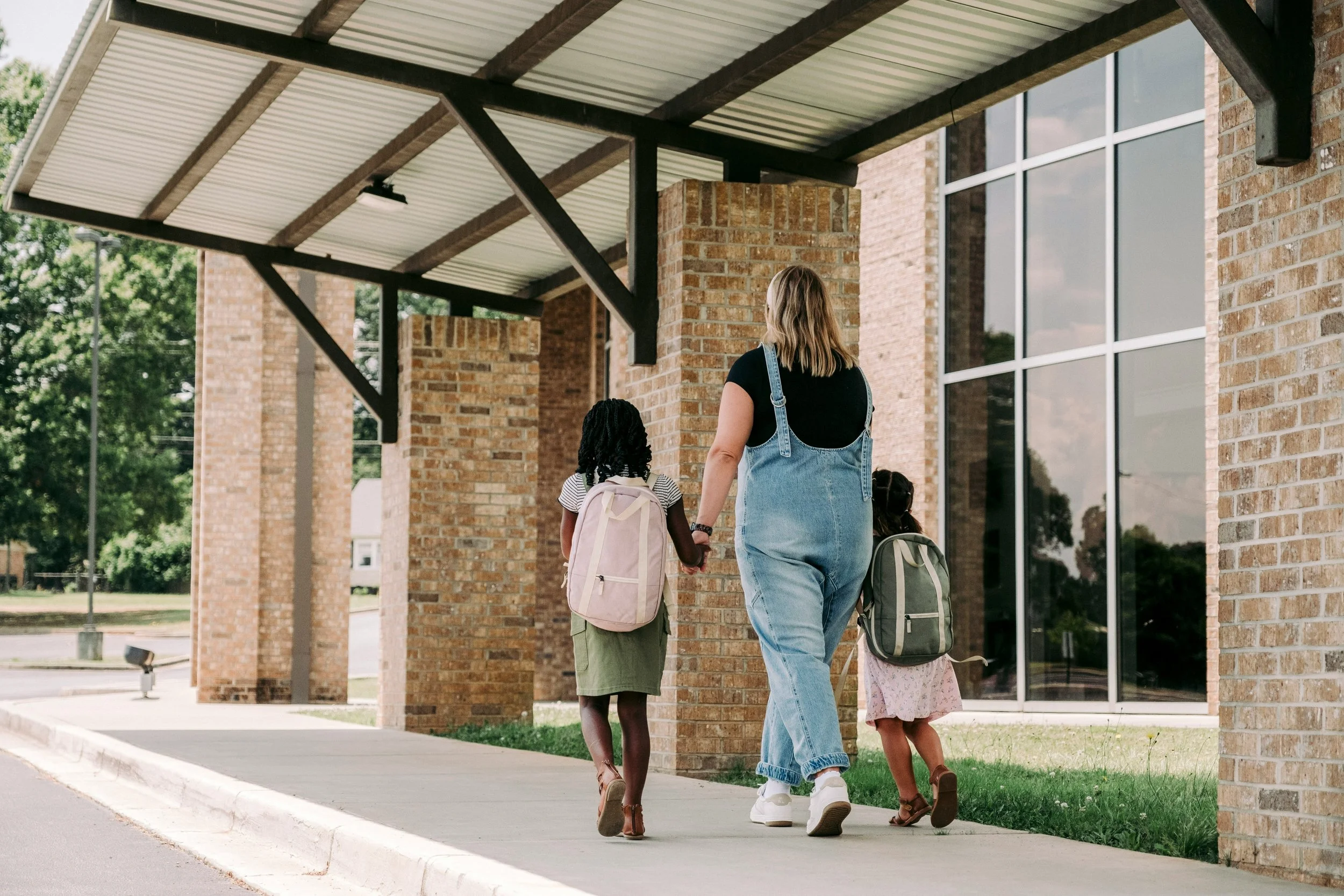
For many kids and teenagers, going to school can become a source of significant anxiety and distress. You might see them resist getting ready, complain of physical symptoms, or experience panic before the bell rings. Whether they are begging to stay home or their absences are accumulating, this may signal that it’s time for a specialized approach.
When a child begins to avoid or refuse school, it is usually a signal that something under the surface needs attention. Factors like intense anxiety, fear of separation, social struggle, perfectionism, academic pressure, bullying, or difficulty coping with change can make an ordinary school day feel like a mountain to climb.
At Featherstone Psychology, we partner with families to uncover what is driving the avoidance or refusal. My objective is to help you navigate a clear path forward, equipping you and your child with the tools and confidence they need to re-engage with their education.

Distinguishing Avoidance from Refusal
While these behaviors often overlap, understanding the nuances between avoidance and refusal is essential for finding the right support.
school avoidance
typically involves attempts to delay the morning routine or minimize time spent in the classroom. You might notice your child frequently visiting the nurse, requesting early pickups, or arriving late to avoid the parts of the day that feel most overwhelming.
school refusal
is characterized by intense emotional distress that makes attending or staying at school feel nearly impossible. A child may genuinely want to go to school, but feel unable to simply "push through" the anxiety on their own.
Both patterns can become part of a cycle:
-
School feels scary
-
Child avoids school
-
Anxiety decreases
-
Avoidance becomes more likely next time
Over time, this cycle gets stronger.
The mountain gets steeper, making the return to school feel even harder.
The Signs of School Avoidance
Avoidance and refusal can show up in various ways, often starting with subtle changes before becoming more disruptive patterns:
Frequent stomachaches, nausea or headaches that occur before school
Difficulty getting out of bed or getting ready for school
Persistent requests or negotiation to stay home
Difficulty separating from caregivers or fear of being away from home or parent
Social anxiety
Avoidance of specific classes, teachers, activities or social situations
Difficulty returning to school after weekends, vacations, or absences
Falling behind academically or socially

Underneath the Avoidance
Effective support begins with understanding why school feels unmanageable.
Refusal and avoidance are rarely just about not wanting to go to school. Every child’s mountain looks different. For some, it is separation anxiety or social pressure, while for others, it is academic frustration, bullying, or simply an environment that feels too overstimulating.
I take the time to understand your child’s individual experience, and help identify the thoughts, feelings and actions that may be contributing to the avoidance.
Supporting the Journey Back to the Classroom
The therapeutic process at Featherstone Psychology integrates evidenced based anxiety treatment with active caregiver involvement and, when appropriate, a collaboration with your child's school.
Empowering Kids to Feel Confident with School
A child does not necessarily need to feel confident before returning to school. Often, true confidence comes after they begin taking steps forward.
Treatment focuses on helping children learn:
I can feel anxious and still go.
I can be uncomfortable and handle it.
I don't have to avoid something just because it feels scary.
With the right support children can gradually break the cycle of avoidance and return to school with resilience


If school avoidance has shifted from an infrequent occurrence to a recurring pattern, or if the morning routine has become a primary source of emotional distress and family conflict, it may be time to seek a specialized approach. If the daily battle to get to school feels increasingly uphill, therapy may offer a solution.
Early intervention is key to breaking the cycle before the mountain gets steeper. By addressing avoidance early, we can prevent patterns from becoming entrenched and make the journey back to the classroom feel more manageable. Effective treatment equips families with the framework to support your child with compassion while building their resilience to reengage at school
When should parents seek help?
school refusal therapy
FAQs
-
School refusal can look different from child to child. It may include difficulty getting out of bed, frequent physical complaints, intense anxiety or distress before school, crying or meltdowns, repeated requests to stay home, difficulty separating from parents, frequent tardiness or absences, or avoiding specific classes or situations at school. Some children may want to attend but feel overwhelmed by the anxiety that comes with going.
-
The first step is understanding what is making school feel difficult for your child. From there, treatment at Featherstone involves building coping skills, gradually facing avoided situations, and collaborating with the school to create a realistic plan for returning. I also work directly with parents to teach how to effectively respond to anxiety. The goal is to help your child move forward one manageable step at a time, while building skills along the way.
-
Not at all. Unlike truancy, school refusal is generally associated with emotional distress or anxiety that makes attending school difficult. A child may genuinely want to attend, but feel unable to tolerate the emotions associated with going to school.
-
It depends on the circumstances. While allowing your child to stay home might offer temporary relief, repeated avoidance can strengthen anxiety over time. Treatment at Featherstone focuses on helping caregivers respond compassionately while maintaining appropriate expectations about school attendance.
-
Somatic symptoms like nausea, stomachaches, or headaches are often very real physical expressions of anxiety. While it is important to have a pediatrician rule out medical concerns for any new or ongoing physical complaints, therapy can help your child build tools to manage distress and regulate their nervous system.
-
Returning to school after a prolonged absence often requires a gradual and individualized plan. We will identify the barriers to returning, develop manageable steps, and collaborate with the school when appropriate. The longer avoidance continues, the more entrenched it can become. However, with a thoughtful, consistent approach, many children are able to successfully return to school and regain confidence in their ability to cope.