

Childhood and Adolescent Anxiety Treatment
Anxiety Therapy for Kids and Teens
Does your child or teen struggle with intense worry, persistent fears, or avoidance that disrupts their daily routines? Anxiety in youth often impacts school, friendships, family life, extra-curriculars and overall confidence. With the right support, children and teens can learn to manage anxiety and feel more capable navigating things that feel difficult.
At Featherstone Psychology, I offer specialized anxiety treatment for kids and teens by empowering them to understand how anxiety works, cultivate effective coping skills, and gradually face the situations anxiety tells them to avoid.
The objective is not to eliminate anxiety altogether. We actually need anxiety—it helps keep us safe and alert. Rather, the goal is to help your child learn that they can manage uncomfortable feelings without letting anxiety run the show.

Identifying Anxiety In Your Child
While some anxiety is developmentally appropriate throughout childhood and into adolescence, it becomes a concern when fears turn persistent or begin to impact your child's daily functioning. If anxiety is disrupting your child’s day to day routines, it may be time to seek professional support.


Anxiety in children and teens looks different than anxiety in adults.
Instead of identifying as anxious, children often show their anxiety through physical complaints (like stomachaches, headaches) or behaviors (such as school avoidance, reassurance seeking ). Your child or teen may display:
Excessive worry about school, friendships, health, or what "might" happen
Difficulty with independent sleep or separating from caregivers
Significant fear of making errors or "failing"
Increased irritability, frustration, or feeling easily overwhelmed
Unexplained somatic symptoms like headaches or nausea
Sleep difficulty caused by racing thoughts or worry
Fear of being judged, embarrassed or making a mistake in front of others
Intense fears or specific phobias
Distress when plans change or situations feel uncertain
Getting stuck in repetitive "what if" cycles
Avoidance of situations that trigger discomfort, such as social activities, school, or new experiences
Attempts to avoid school or other activities outside the home

I offer clinical assessment and specialized treatment for a range of anxiety concerns, such as:
My goal is to help your child gradually change their relationship with fear, instead of simply avoiding the things that feel hard.
I utilize specialized approaches including:
Cognitive Behavioral Therapy (CBT)
Exposure and Response Prevention (ERP)
Acceptance-based Strategies
Parent-focused Interventions
Depending on your child's age, developmental level, and specific concerns, I may also incorporate mindfulness-based and behavioral strategies to help children build confidence and become more willing to approach the things anxiety tells them to avoid.

-
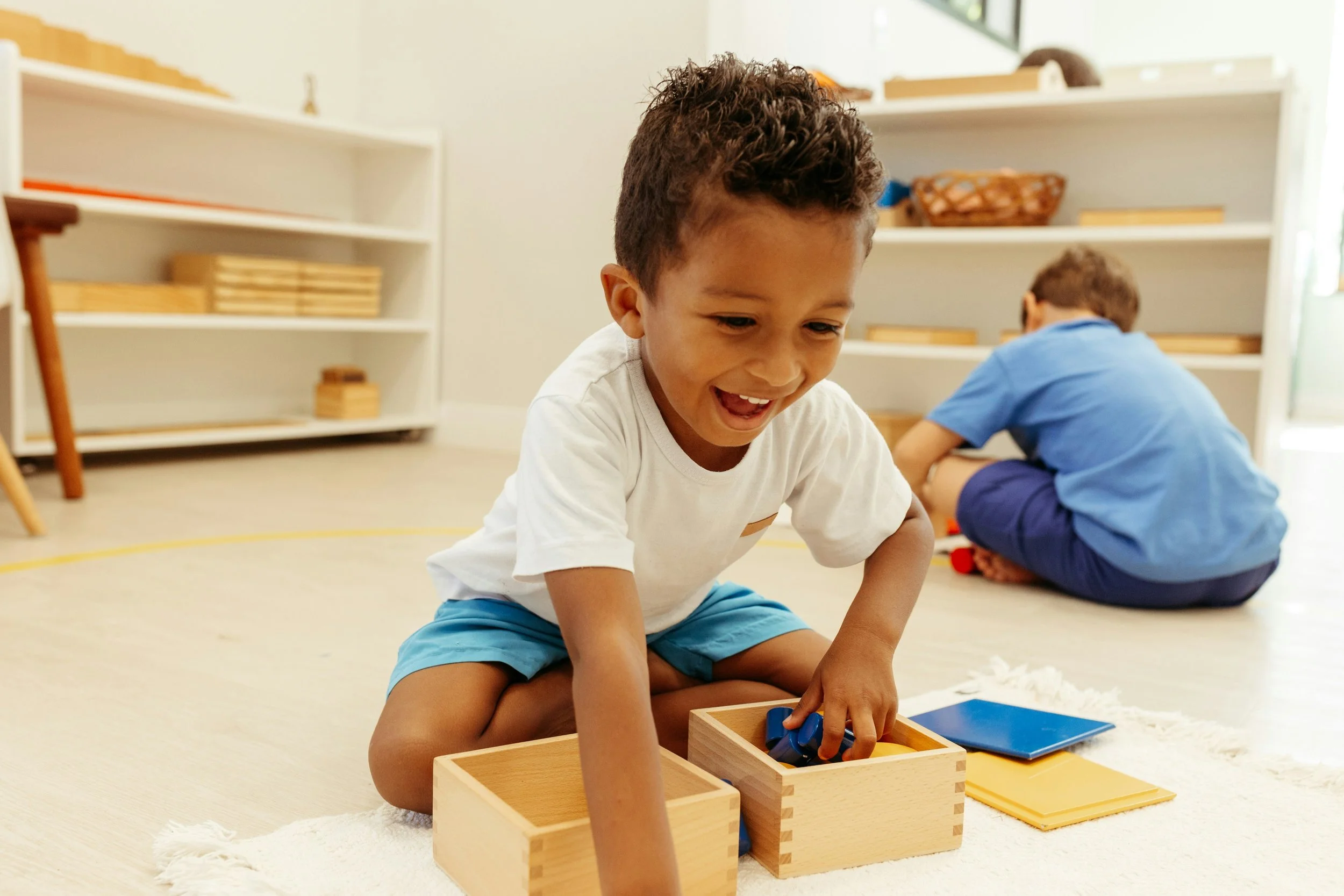
Therapy for Littles
“Littles” and younger children learn best through play, games, art movement and hands-on activities rather than sitting and talking about their feelings for an entire session.
In session, children have the opportunity to practice identifying emotions, tolerating uncomfortable feelings, trying new, brave behaviors and experiencing success in a safe, validating environment.
-

Therapy for Teens
The teenage years bring in their own unique stressors-, from academic demands and social media to shifting friendships and increasing independence. Continuously evolving expectations can often feel overwhelming, and can contribute to anxiety.
Adolescent anxiety treatment provides a space where teens can openly explore their worries, build a practical toolkit of coping skills, and build the confidence needed to navigate this exciting and challenging stage of life.

The Parent's Role in Anxiety Treatment
When your child or teen is struggling with anxiety, it is natural to want to make things easier for them! Parents often find themselves providing constant reassurance, answering repetitive "what-if" questions, or allowing avoidance when a situation feels too overwhelming.
These responses are rooted in care and love, yet some well-intentioned reactions can accidentally reinforce the cycle of anxiety.
Parental involvement is a cornerstone of effective anxiety treatment.
Your child’s treatment will include parent-focused sessions. These sessions aim to help you understand the mechanics of anxiety, identify patterns of accommodation, and build a toolkit of responses that support your child’s long term confidence and independence.
The objective of parent training is to empower you to feel more capable responding to anxious behaviors while maintaining the warmth and connection your child or teen needs to feel safe.

The Therapy Process for Treating Anxiety
01. Understand the Bigger Picture
After the initial consultation call, I will schedule an intake session with caregivers to learn more about your child’s current presentation, history, and unique needs. This means looking beyond the symptoms themselves and understanding your child within the context of their developmental stage, personality, family dynamics, academic environment, and social relationships and pressures.
02. Identify Goals
From there, we will work collaboratively to identify specific treatment goals tailored to your child and family.
03. Implement Strategies
Treatment then shifts toward implementing concrete, age-appropriate tools that your child can use both inside and outside of therapy. Depending on your child’s unique needs, treatment may include a combination of child-focused therapy and parent training, ensuring that the skills developed in therapy can be supported and reinforced at home.
FAQs
-
For anxiety treatment, I see children of all ages - as young as age 4 through age 18. I also provide anxiety therapy for young adults and adults.
-
Anxiety doesn't always look like worry—especially in children and teens. Younger children may communicate anxiety through behavior, physical complaints, or avoidance, while teens may be more likely to internalize their worry, withdraw, become irritable, or hide how overwhelmed they feel.
-
While some anxiety is developmentally appropriate, it may be time to seek support if the anxiety begins to impact your child's daily functioning. If anxiety is disrupting school, friendships, sleep, or family routines—or causing them to organize their life around avoidance—it may be time to reach out.
-
Yes. When appropriate, I can provide a diagnosis as part of your child’s evaluation. I look beyond the presenting symptoms to understand the bigger picture, including your child’s development, temperament, family, school environment, and overall functioning, so that we can better understand what they are experiencing and determine the most appropriate treatment plan.
-
No, but I regularly collaborate with several psychiatrists and can provide referrals to pediatric specialists who I know and trust.
-
I sure do! I work with adults 18 and older to manage anxiety and OCD, build effective coping skills, and navigate the unique stressors that come with college, careers, relationships, parenthood, and beyond.
-
I provide treatment for a diverse range of anxiety disorders,, including generalized anxiety, separation anxiety, social anxiety, specific phobias, panic disorder, body-focused repetitive behaviors (such as hair pulling and skin picking), and selective mutism. I also work with children and teens experiencing school anxiety and avoidance, perfectionism, and trauma-related concerns. While OCD is no longer classified as an anxiety disorder, it often overlaps with anxiety and fear-based patterns, and I have extensive experience in the assessment and treatment of OCD.
-
Not necessarily. Therapy is adapted to your child’s developmental level and personality. While teens often benefit from open conversation and building a practical toolkit, younger children—or "littles"—frequently learn best by practicing brave behaviors through play, art, and movement in a validating environment.
-
Then you came to the right place! Whether its social anxiety, perfectionism or phobias - anxiety can make participation at school feel impossible. Whether your child is struggling with separation at drop-off or experiencing somatic symptoms like stomachaches before class, treatment focuses on identifying the underlying drivers of school avoidance. Through collaborative efforts with caregivers and school teams, we work to help your child build the brave behaviors necessary to navigate the classroom with greater ease and confidence.
-
Both! The most effective treatment is a collaborative effort that includes both child-focused sessions and caregiver involvement. Because anxiety frequently weaves itself into family dynamics, participation by parents is essential. We work together to identify patterns where anxiety might be running the show at home, equipping you with tools to support your child’s long-term independence and confidence. Treatment may include varying levels of child-focused and parent sessions, depending on your family’s needs and the goals we are working toward.